Building Healthy Habits Newsletters
September 2026 Newsletter
This material is funded by Expanded Food and Nutrition Education Program, USDA, and NIFA
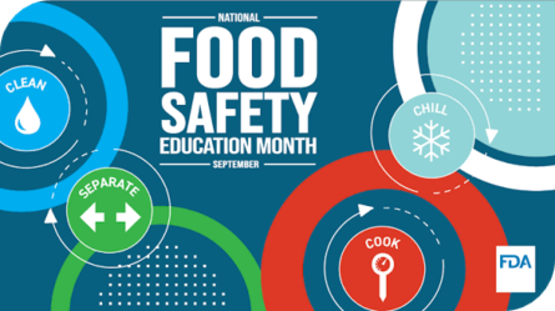
September is National Food Safety Month!
Four simple steps can keep you and your family safe from foodborne illnesses:
- Keep your hands and kitchen work surfaces clean. Wash your hands for 20 seconds with warm water and soap. Clean your kitchen work surfaces with hot, soapy water and a clean dish cloth. If you use kitchen sponges, throw them away each week.
- Keep foods apart. To prevent cross contamination, keep raw meat, poultry, and seafood away from ready to eat foods like vegetables and fruits. Juice from raw meat can harbor bacteria and when it mixes with fresh vegetables and fruit, there is no guarantee that washing the produce will wash away the bacteria.
- Use a food thermometer. Check the temperature of meat, poultry, and seafood to ensure it is fully cooked before removing it from the cooking source.
- Keep cold foods cold, 40 degrees Fahrenheit or colder. Keep hot foods hot, 140 degrees Fahrenheit or hotter. Refrigerate foods within 2 hours.
Building Healthy Habits Recipe
Homemade Applesauce
Serving Size: 1/2 cup (10 servings per recipe)
Ingredients
- 7 apples, washed, peeled, cored, and chopped
- ½ cup water
- ¼ cup white or brown sugar (optional)
- 1 teaspoon cinnamon
Directions
- Wash hands with soap and water.
- In a large pot, add apples, water, and sugar. You may reduce the sugar or leave it out if you are using a sweet variety of apples.
- Cook apples, water and sugar over medium heat for 15-20 minutes. Using a large spoon or potato masher, crush the cooked apples into a sauce.
- Add cinnamon and stir before serving.
- Refrigerate leftovers within 2 hours.
Nutrition Facts (per serving): 90 calories, 0 g Total Fat, 0g saturated fat, 0 mg sodium, 23g carbohydrates, 3g dietary fiber, 19g total sugars, 5g added sugar, 0g protein, 12mg calcium, 144mg potassium, 0mg iron
Kid's Book Club
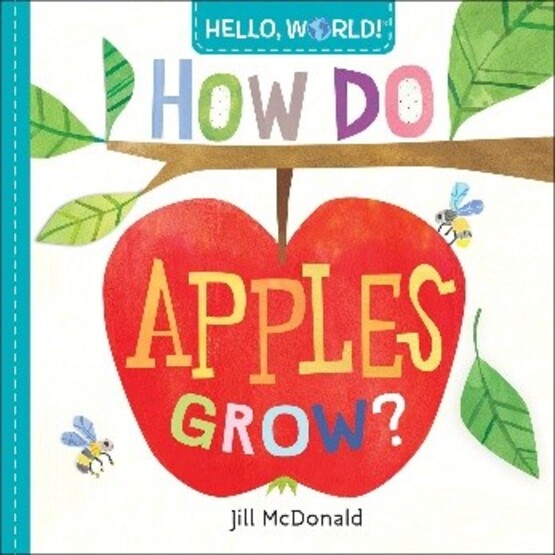
Head to the public library with your child and borrow "How do Apples Grow?" by Jill McDonald. After reading the book together, make the applesauce recipe together.
----------------------------------------------------------------
Since 1969, the Expanded Food and Nutrition Education Program (EFNEP) has successfully addressed critical societal concerns by employing paraprofessional staff and influencing nutrition and physical activity behaviors, particularly those with young children. Through a community-based, relationship-driven, interactive educational approach, EFNEP has directly impacted economic, obesity, and food insecurity challenges that hinder the nutritional health and well-being of this nation. In New York State, EFNEP is administered through Cornell University and delivered by Cornell Cooperative Extension on the county level.

Last updated September 2, 2026
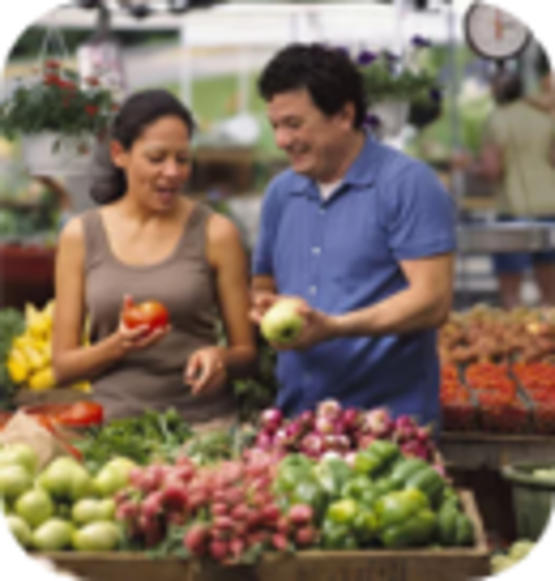
Farmers' Market Tips!
September is a great time for buying locally grown vegetables and fruit. Lots of summer produce is still available while fall produce is starting to show up in markets. Look for apples, tomatoes, peppers, eggplant, squash, sweet corn, grapes, pears, winter squash, pumpkins, and melons.
Meet Your Educator!
Donna Bochman, Building Healthy Habits Nutrition Program Educator
Contact Information:
845-344-1234, Ext. 273